How to Grow Kale
Get Your Exact Kale Planting Dates
Enter your ZIP, city, state, or zone for a personalized planting calendar.
Your Kale dates ·
See your dates →* Affiliate links — we may earn a small commission at no extra cost to you.
Supplies You'll Need
* Affiliate links — we may earn a small commission at no extra cost to you.
Plant Overview
Growing Requirements
Sun
Full Sun to Partial Shade
Water
Regular (1-1.5 inches/week)
Spacing
18" apart
Depth
0.5" deep
Height
18-24"
Germination
5-10 days
Ready to Grow Kale?
Find quality seeds from trusted suppliers.
* Affiliate links — we may earn a small commission at no extra cost to you.
Common Kale Varieties
Popular cultivars to look for at your local nursery or seed supplier.
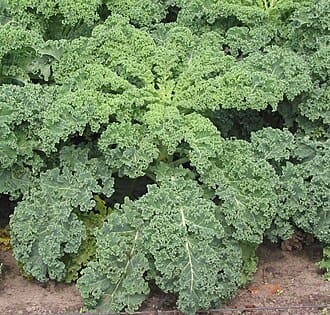
Curly Scarlet
Frilly, blue-green leaves with a slightly bitter, peppery flavor; very cold-hardy.
Lacinato (Tuscan Kale)
Long, dark blue-green leaves with a mild, earthy flavor; preferred in Italian cooking.
Red Russian
Flat, lobed grey-green leaves with purple stems; the most tender and sweet eating kale.
Winterbor
Very cold-hardy curly kale that sweetens after frost; productive through winter in mild zones.
Rainbow Lacinato
Colorful kale with streaks of purple, pink, and green; nutritious and ornamental.
Days-to-maturity figures are approximate and vary by climate and growing conditions.
Common Kale Problems
What to watch for — and how to fix it before it spreads.
Pests
Velvety green caterpillar that chews large holes in leaves; white butterflies laying eggs are the tell.
Use row covers; apply Bacillus thuringiensis (Bt) when caterpillars are small.
Light green caterpillar that loops when walking; similar damage to imported cabbageworm.
Bt spray; row covers; handpick; attract parasitic wasps with flowering herbs.
Gray-green waxy aphids form dense colonies on leaf undersides; plants become sticky and sooty.
Strong water blast; neem oil; the yellow parasitic wasps that appear in colonies are doing your work — leave them.
Tiny black beetles create dozens of small holes in leaves; seedlings can be devastated.
Use row covers on transplants; apply kaolin clay or diatomaceous earth around plants.
Diseases
Bacterial disease causing V-shaped yellow lesions from leaf edges with black veins inside.
Use certified disease-free seed; avoid overhead irrigation; destroy infected plants.
Yellow patches on upper leaf with gray-purple spores beneath; thrives in cool, wet weather.
Improve airflow; avoid wetting foliage; apply copper fungicide preventively.
Common Mistakes
Removing too many outer leaves stunts plant growth.
Wait until leaves are palm-sized before harvesting; always leave at least 4–5 inner leaves.
Kale hit by frost sweetens dramatically — many gardeners only grow spring kale and miss the best flavor.
Plant a fall crop 6–8 weeks before first fall frost; harvest into winter in Zones 7+.
Seed Saving Guide
DifficultWhen to Harvest Seed
Harvest seed pods just as they turn yellow-tan — pods shatter and drop seeds when fully ripe.
Processing
Thresh dried pods, winnow seeds from pod fragments.
Seed Viability
Up to 5 years when stored cool, dark, and dry.
Pro Tip
B. oleracea — crosses with broccoli, cabbage, Brussels sprouts, and collards. Isolate by 1000 feet.
Seed Storage Supplies
* Affiliate links — we may earn a small commission at no extra cost to you.
Raised Bed Planting Guides
A 4×8 bed fits 14 plants of Kale. See plant counts, spacing grids, and companion pairings for every bed size →
Kale Planting Calendar by Zone
Kale Planting Calendar by State
Other Plants
Frequently Asked Questions
When should I plant Kale? +
Sow Kale seeds directly in the garden 6 weeks before your last frost date. Use the search on this page to find exact dates for your location.
How long does Kale take to grow? +
Kale typically matures in about 55 days from planting. Exact timing varies by variety, soil conditions, and local climate.
Should I start Kale indoors or direct sow? +
Kale does best when direct sown outdoors. Plant seeds directly in the garden at the appropriate time based on your local frost dates.
How much sun does Kale need? +
Kale requires full sun to partial shade to thrive.
How far apart should I plant Kale? +
Space Kale plants 18 inches apart to allow adequate airflow and root development.
How much water does Kale need? +
Kale has regular (1-1.5 inches/week) water needs. Consistent moisture is important especially during germination and early growth.
Can you save seeds from Kale? +
Yes — seed saving difficulty for Kale is rated difficult. Harvest seed pods just as they turn yellow-tan — pods shatter and drop seeds when fully ripe. Thresh dried pods, winnow seeds from pod fragments.
How long do Kale seeds last in storage? +
Properly dried and stored Kale seeds remain viable for up to 5 years. Store in a cool, dark, dry location in an airtight container with a silica gel packet for best results.
Are Kale seeds open-pollinated? +
Yes — Kale is open-pollinated, meaning seeds saved from your harvest will grow plants true to the parent variety. This makes it an excellent candidate for building a self-sustaining garden.
About Kale
Hardy leafy green that sweetens after frost. Harvest outer leaves for continuous production.
Expect your Kale to be ready for harvest in approximately 55 days from planting.
Use the search above or browse by zone or state to find the perfect planting dates for your location.