How to Grow Potato
Get Your Exact Potato Planting Dates
Enter your ZIP, city, state, or zone for a personalized planting calendar.
Your Potato dates ·
See your dates →* Affiliate links — we may earn a small commission at no extra cost to you.
Supplies You'll Need
* Affiliate links — we may earn a small commission at no extra cost to you.
Plant Overview
Growing Requirements
Sun
Full Sun (6+ hours)
Water
Regular (1-2 inches/week)
Spacing
12" apart
Depth
4" deep
Height
18-24"
Germination
8-21 days
Ready to Grow Potato?
Find quality seeds from trusted suppliers.
* Affiliate links — we may earn a small commission at no extra cost to you.
Good Companions
Full Companion Planting Guide for Potato
See which plants help Potato thrive, which to keep away, and raised bed layout tips →
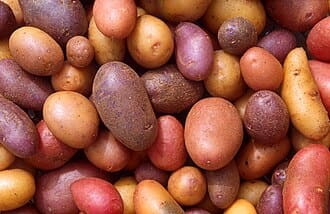
Common Potato Varieties
Popular cultivars to look for at your local nursery or seed supplier.
Russet Burbank
The American baking potato — fluffy, starchy interior; the standard for fries and baked potatoes.
Yukon Gold
Buttery yellow flesh with a slightly waxy texture; excellent for mashing, roasting, and soups.
Red Norland
Early red-skinned potato with smooth skin and waxy flesh; perfect for potato salad.
Fingerling (Russian Banana)
Small, finger-shaped yellow potato with a nutty, buttery flavor; perfect for roasting.
All Blue
Deep blue-purple skin and flesh with a nutty flavor; holds its color through cooking.
Days-to-maturity figures are approximate and vary by climate and growing conditions.
Common Potato Problems
What to watch for — and how to fix it before it spreads.
Pests
Yellow-and-black striped adults and orange larvae devour foliage; can completely defoliate a plant.
Handpick adults and orange egg masses daily; apply spinosad; rotate crops and till after harvest.
Green or pink colonies on undersides of leaves; transmit potato virus Y and leafroll virus.
Spray with insecticidal soap; use reflective mulch; control ants that farm aphids.
Soil larvae bore small round holes through tubers; worst in recently tilled sod ground.
Avoid recently grassed areas; use mustard seed meal in soil; beneficial nematodes.
Diseases
The pathogen behind the Irish Famine — rapidly destroys foliage and tubers in cool, wet weather.
Plant resistant varieties; apply copper fungicide preventively; destroy infected plants immediately; never compost.
Rough, corky patches on tuber skin; cosmetic but annoying; thrives in alkaline soils.
Lower soil pH below 5.5 for potato beds; water consistently after tuber initiation; plant resistant varieties.
Soil-borne fungus causing early die-back and yellowing; stunts tuber development.
Rotate crops (4+ year rotation); improve drainage; use certified disease-free seed potatoes.
Common Mistakes
Grocery store potatoes are often treated with sprout inhibitors and may carry disease.
Use certified seed potatoes from a reputable supplier; they're disease-free and guaranteed to sprout.
Exposed tubers turn green (solanine-toxic) and sunburn.
Hill soil up around stems every 2 weeks as vines grow, keeping tubers buried under 4–6 inches of soil.
Wet foliage with tubers near full size promotes late blight and storage rots.
Switch to drip irrigation in late season; stop all watering 2 weeks before planned harvest.
Seed Saving Guide
Vegetative propagationPropagate vegetatively, not by seed
Potatoes are propagated by planting whole small tubers or cut pieces of tuber with growth "eyes."
Save egg-sized tubers from your harvest for seed potatoes. Store in a cool, dark, humid place over winter.
Raised Bed Planting Guides
A 4×8 bed fits 32 plants of Potato. See plant counts, spacing grids, and companion pairings for every bed size →
Potato Planting Calendar by Zone
Potato Planting Calendar by State
Other Plants
Frequently Asked Questions
When should I plant Potato? +
Sow Potato seeds directly in the garden 4 weeks before your last frost date. Use the search on this page to find exact dates for your location.
How long does Potato take to grow? +
Potato typically matures in about 90 days from planting. Exact timing varies by variety, soil conditions, and local climate.
Should I start Potato indoors or direct sow? +
Potato does best when direct sown outdoors. Plant seeds directly in the garden at the appropriate time based on your local frost dates.
How much sun does Potato need? +
Potato requires full sun (6+ hours) to thrive.
How far apart should I plant Potato? +
Space Potato plants 12 inches apart to allow adequate airflow and root development.
How much water does Potato need? +
Potato has regular (1-2 inches/week) water needs. Consistent moisture is important especially during germination and early growth.
Can you save seeds from Potato? +
Potato is not typically propagated by seed. Potatoes are propagated by planting whole small tubers or cut pieces of tuber with growth "eyes." Save egg-sized tubers from your harvest for seed potatoes. Store in a cool, dark, humid place over winter.
About Potato
Versatile staple crop. Hill soil around stems as plants grow to increase yield.
Expect your Potato to be ready for harvest in approximately 90 days from planting.
Use the search above or browse by zone or state to find the perfect planting dates for your location.